What Is It
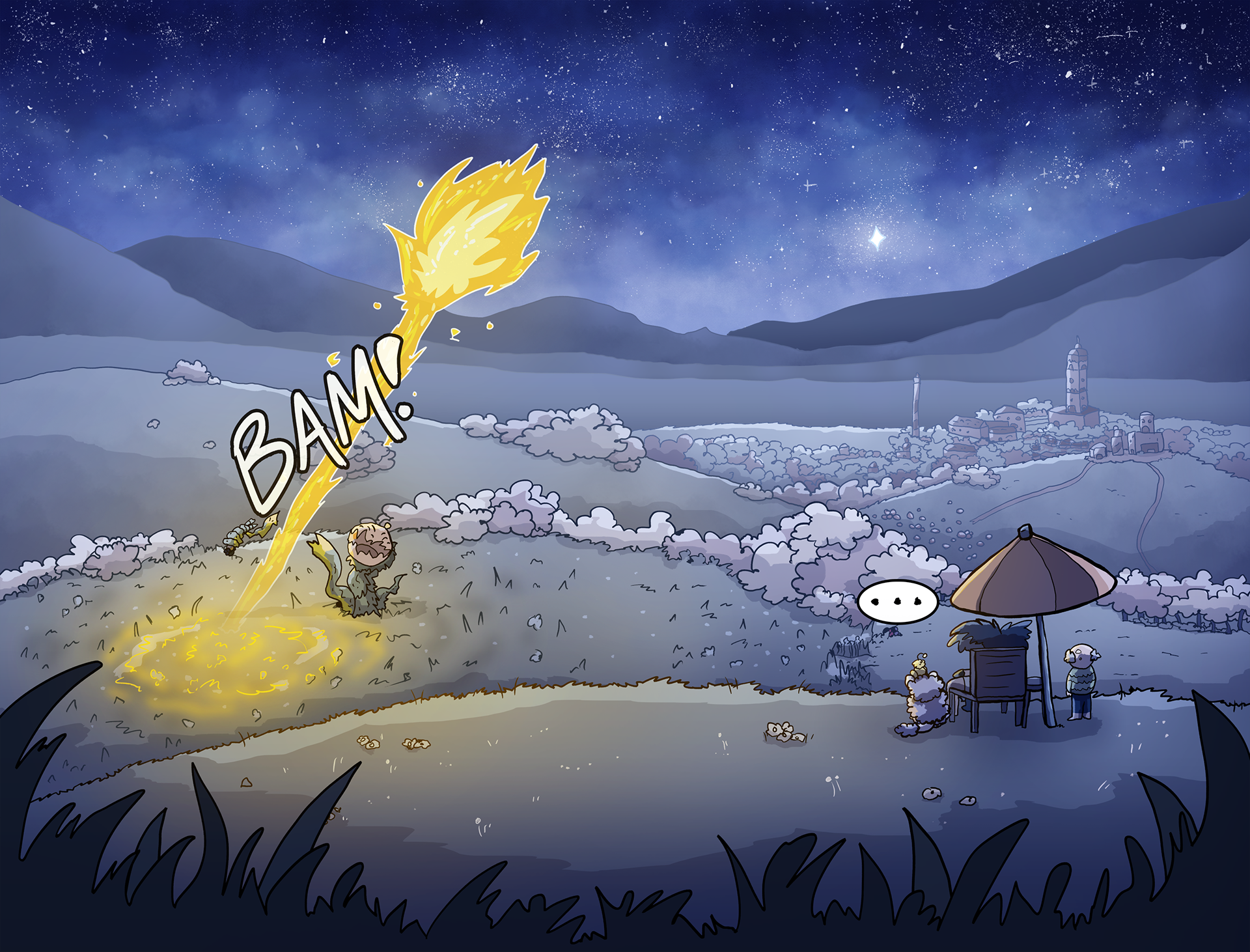
The Lionhearted is an ongoing Webcomic series that is currently in production. Each Chapter is about 30 to 35 pages in length, with the first book having 6 Chapters total. The first batch of pages will be uploaded online September 2023 in the episode/scroll format.
The Problem
To successfully kickstart a cross platform comic project featuring diverse characters for traditional and digital publishing.
The Goal
To make a fantasy webcomic featuring siblings, heroes with disabilities, and incorporating gifs/motion illustrations for the webcomic.
Responsibilities
Research, Visual Design, Graphic Design, Project Management, Marketing
Tools






Platforms









For this project I’ve broken my process down into 5 main steps:
- Brainstorm: Creating an outline for the story with key ideas and events. What is the main message I want readers to take away? What are the core concepts of the story? If this is a fantasy world, what do I want it to look like?
- Research/Collaboration: Researching locations, myths and read stories that match the tone I’m trying to convey. Then I’d pitch the story to an editor and other trusted story tellers to iron out the details.
- Project Timeline: Create a Gannt chart that approximated how long each step of my creative process would take and how long the overall comic would take to make. How often will I be working on the project, and how will that affect my update schedule?
- Comic Process: Working on the comic! From start to finish, how long does it take for me to make a comic page? What steps do I take, and what programs will I be using?
- Uploading The Comic: Preparing the comic to upload online (aka the scroll format). What online sites would be best to host my comic on? Webtoons or Tapas, which is better?
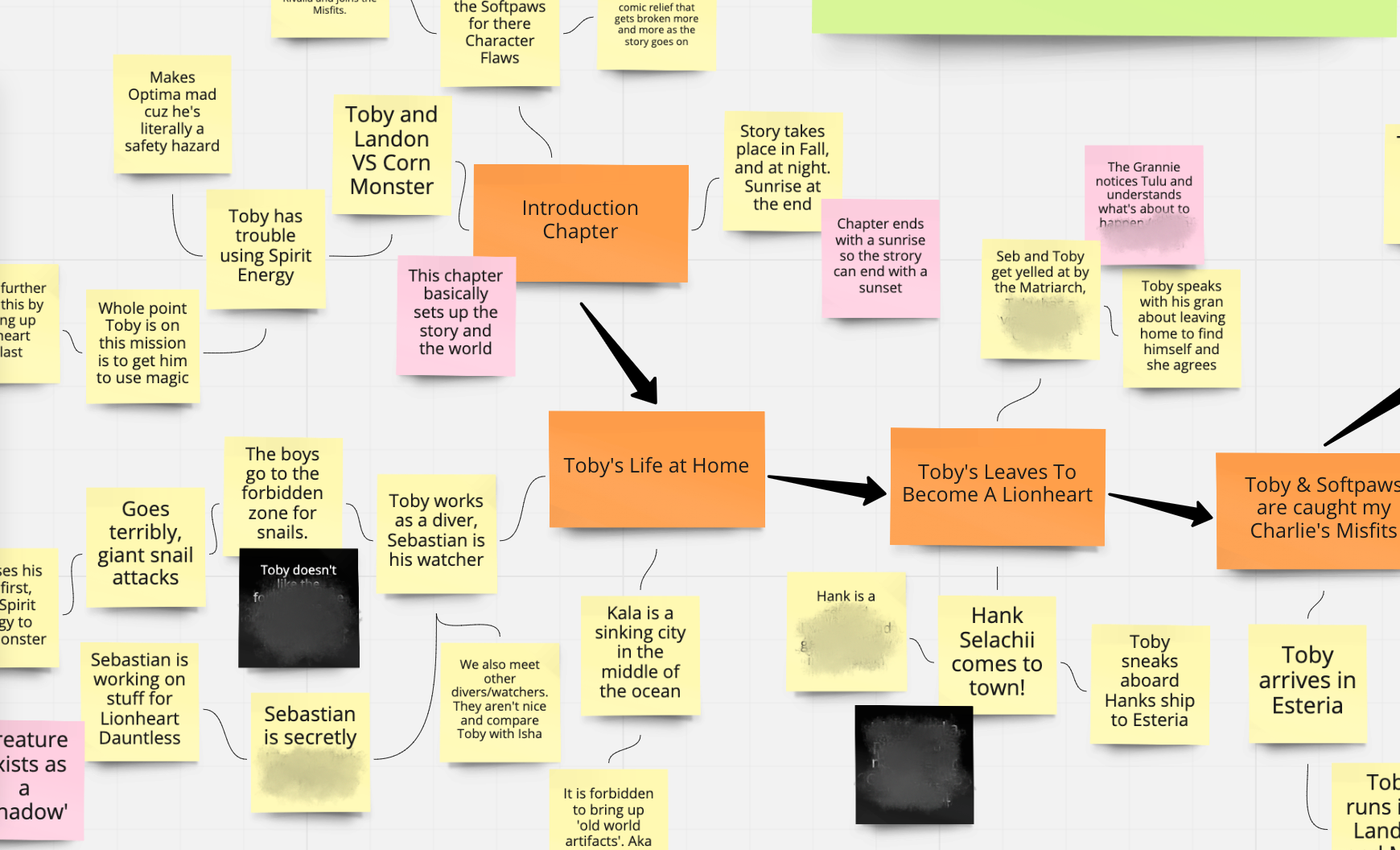
Creating an outline for the story with key ideas and events. What is the main message I want readers to take away? What are the core concepts of the story? If this is a fantasy world, what do I want it to look like?
Creating the outline for the story was simultaneously the easiest and hardest part of the process. I already knew what the beginning, middle and end of the story was, however I had a hard time ironing out the details for the story. To help these I created an online bulletin board with a site called Miro, and wrote out every single idea I had. After showing those ideas to trusted collaborators, I took the points that fit well in the story and put them all into the mind map you see above.
Since the story also features characters with disabilities, I reached out to my local Independent Living Alliance to run story beats and concepts by them to make sure I’m representing everything properly and with respect.
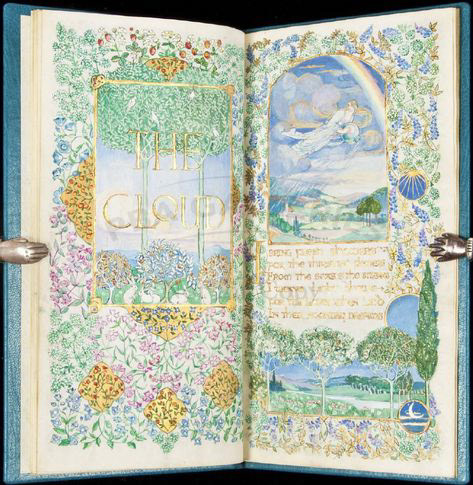
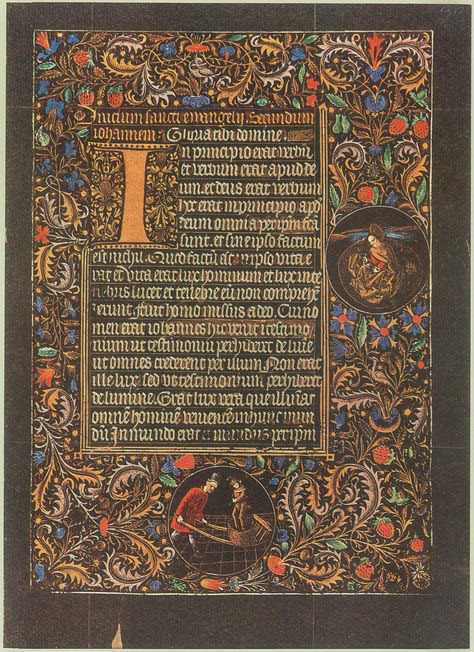
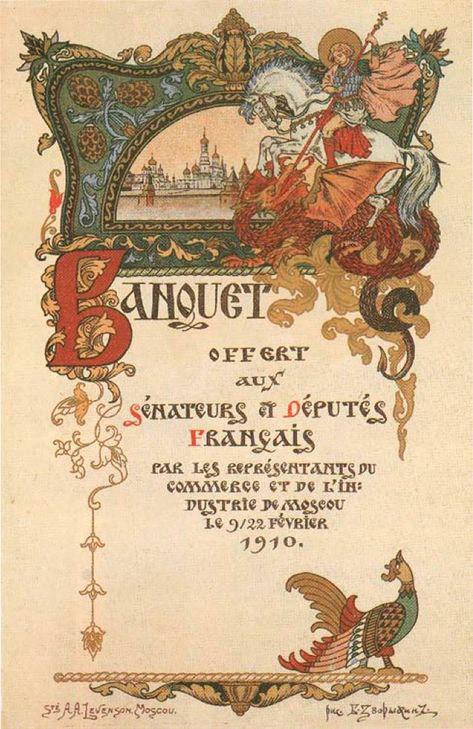
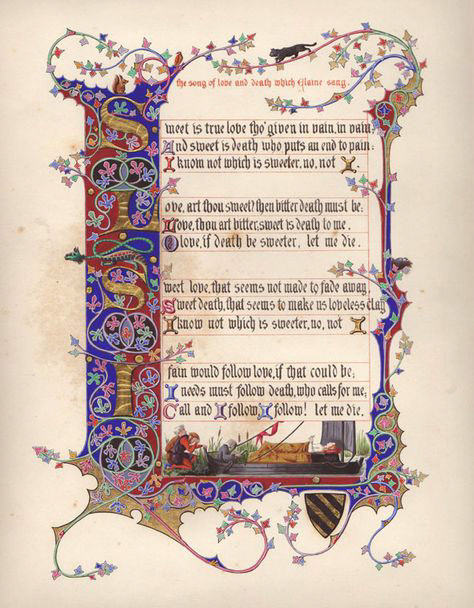

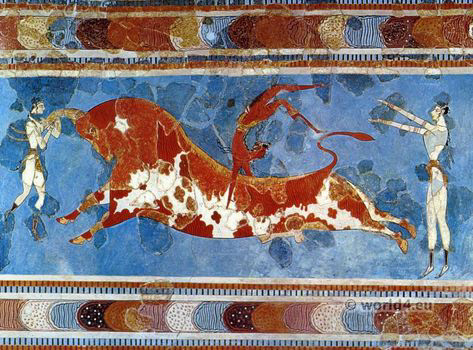
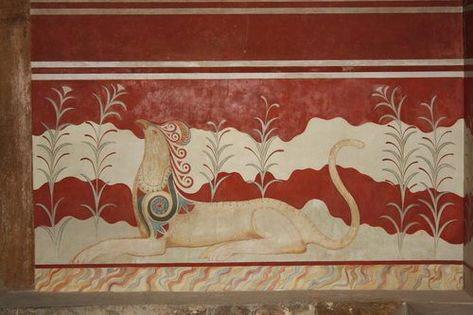

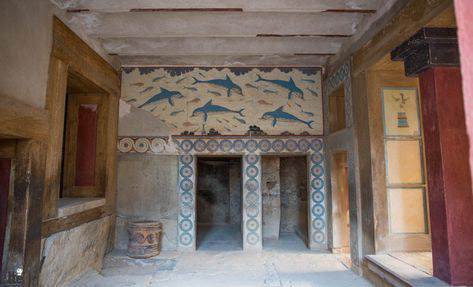
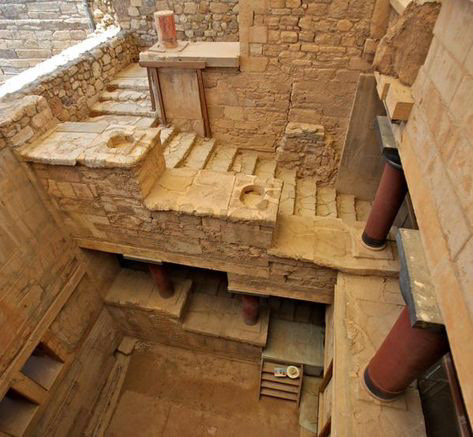
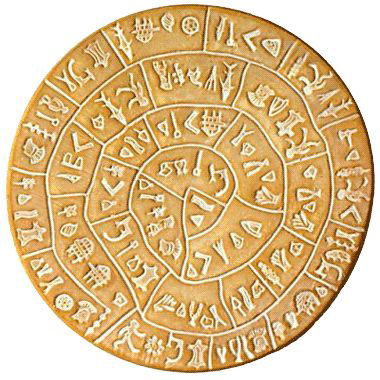
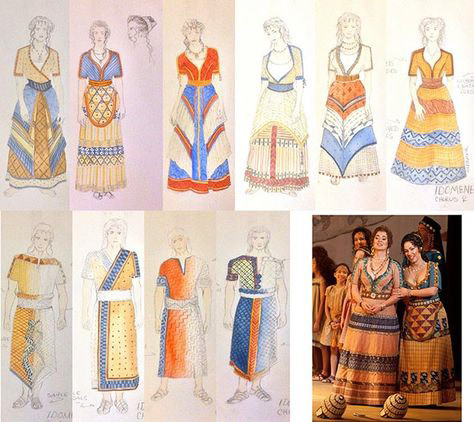

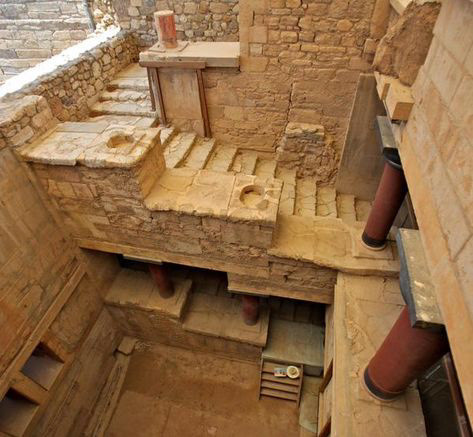


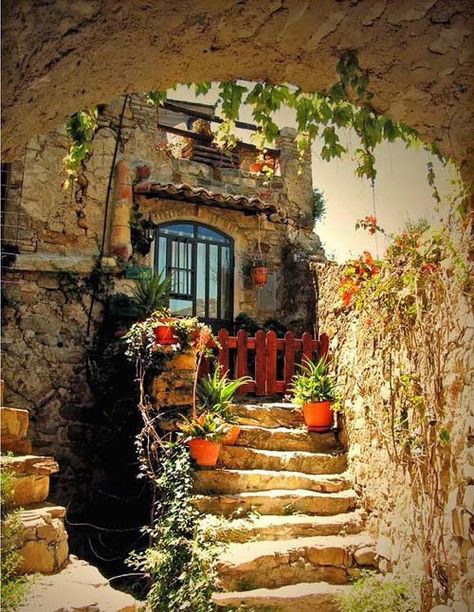













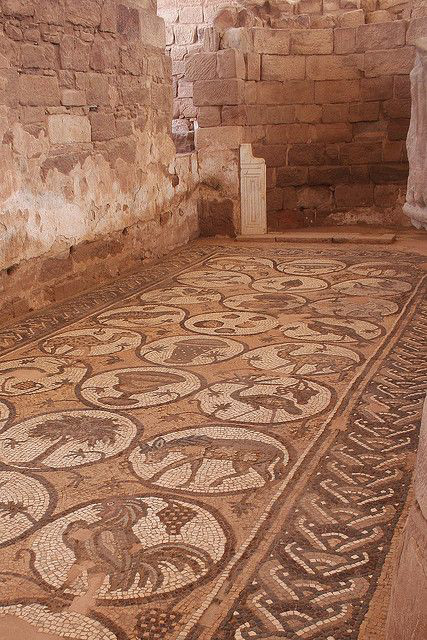


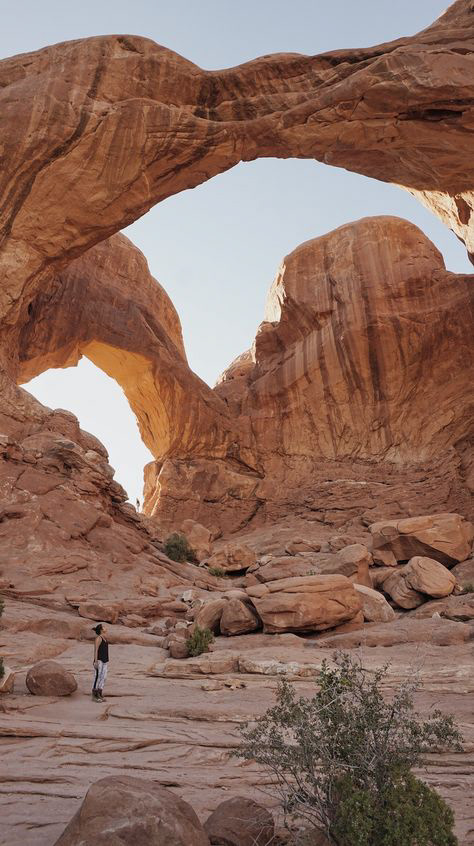

Afterwards I put together an art reference bored on Pinterest, where I gathered as much reference images as I possibly could. Above is a section that I gathered for the Minoans, which inspired the main character's hometown.

Above is a Gantt chart for the first 6 chapters of The Lionhearted. The process of making this book has been broken down into different parts, where each part is broken up into a section that is color coordinated. Pencils and inks are under 'Production' while the final page critiques and prep are under 'Post-production'.
Since The Lionhearted is a side project working in tangent with another full time job, each chapter of the book is given 11 weeks to work on from start to finish, with two weeks off in-between chapters. That way I can get some time to recuperate before moving on to the next chapter.
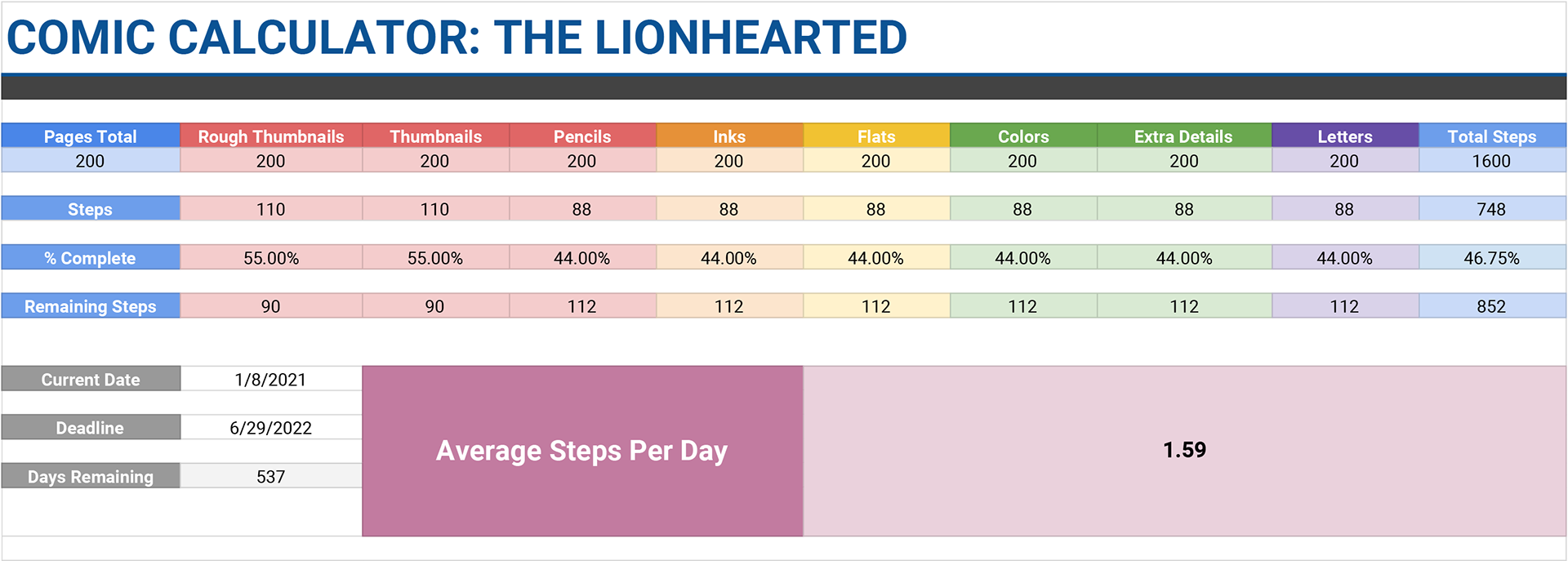
To help know where I am at with the project, I also developed a comic calculator chart that has been modified to fit my creative process. This chart calculates how many steps I should do in a day to stay on track with my deadline. As an example, in this chart there are 200 comic pages total, and to finish the book 1600 steps must be taken. Steps are a single part of the creative process (ex: doing pencils for a single comic page is one step. Finishing a comic page for this chart is 8 steps).
Currently I’m nearly halfway done with the project and is ahead of schedule! To make my 6/29/2022 deadline I'd only have to do about 2 steps a day. Huge shout out to Michael Regina for making the first comic tracker spreadsheet that was adapted further in this project.
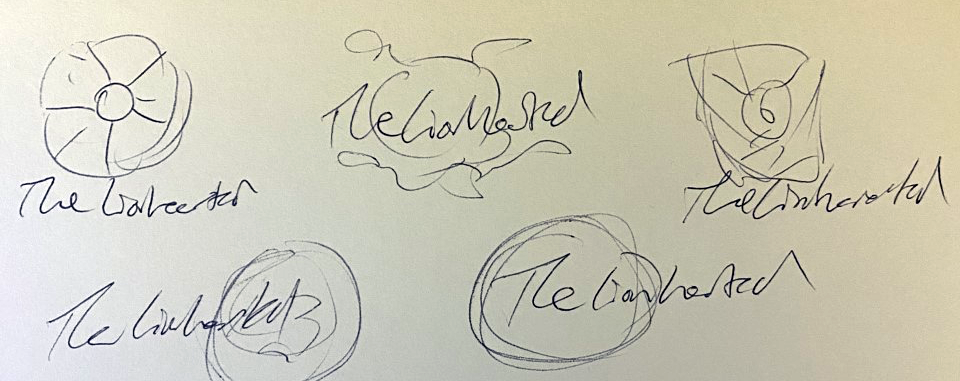
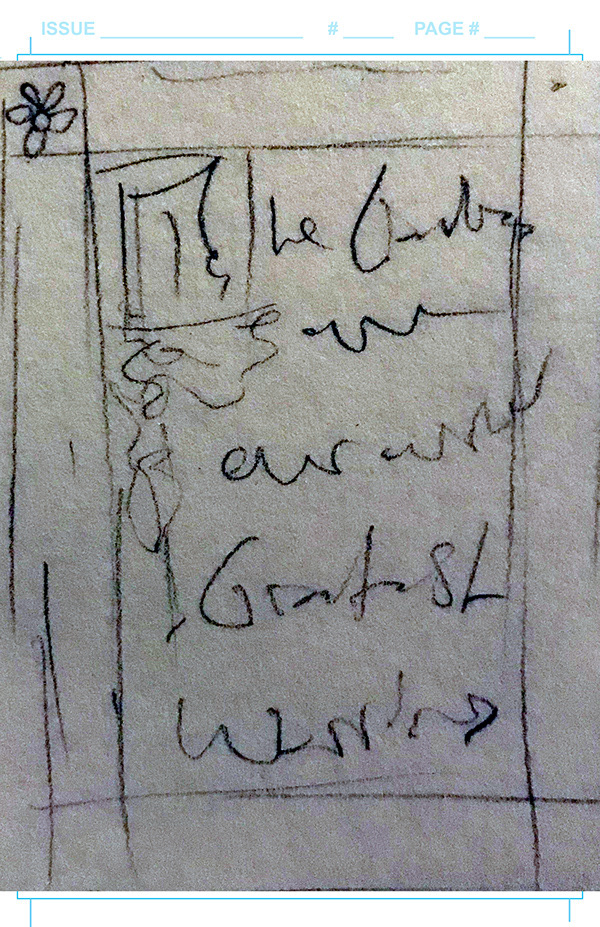
Rough Thumbnail
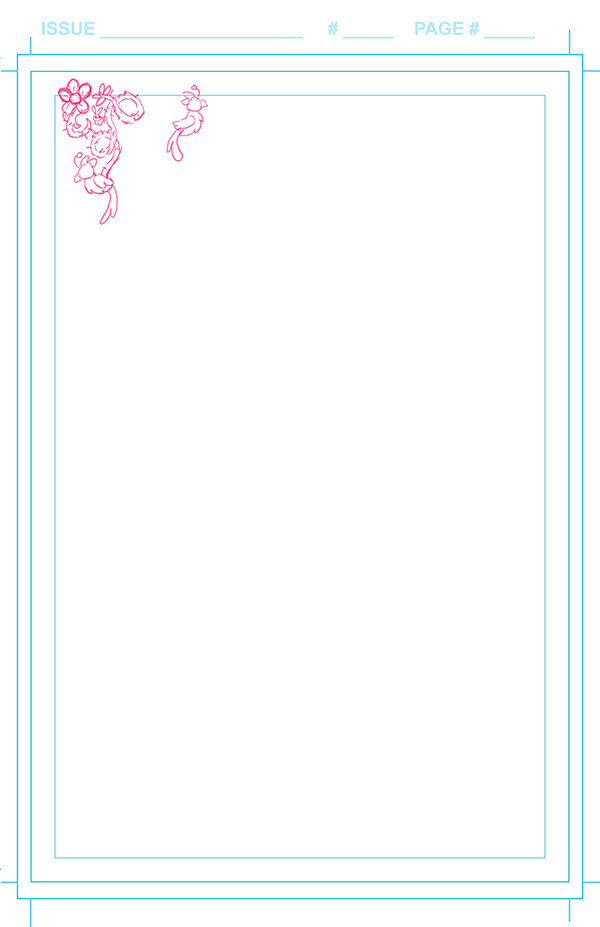
Sketch
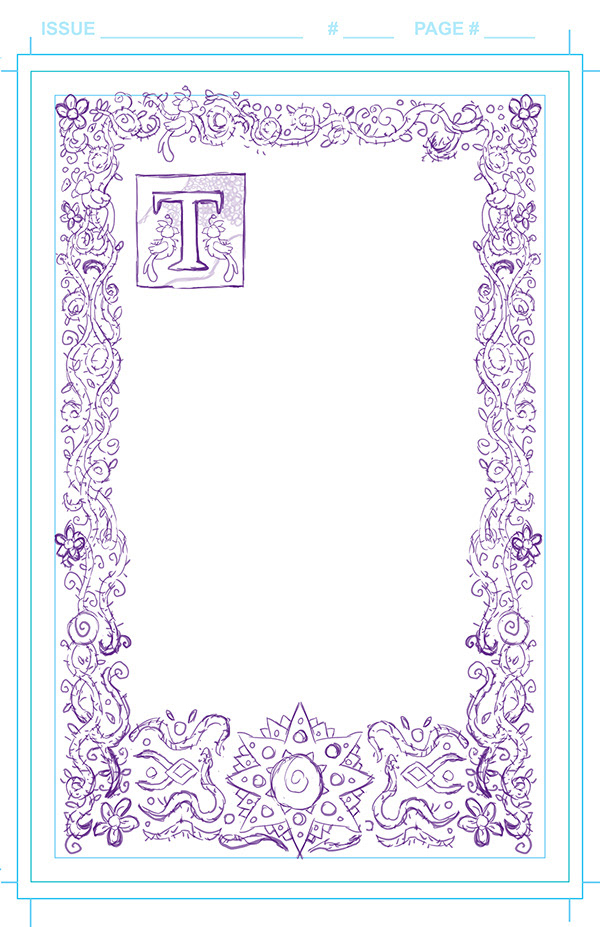
Thumbnail
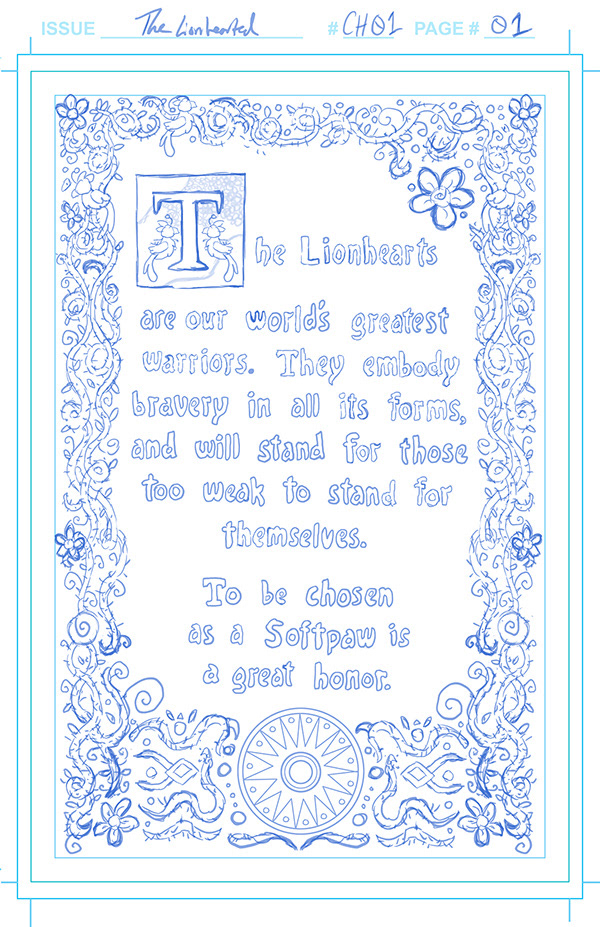
Pencil
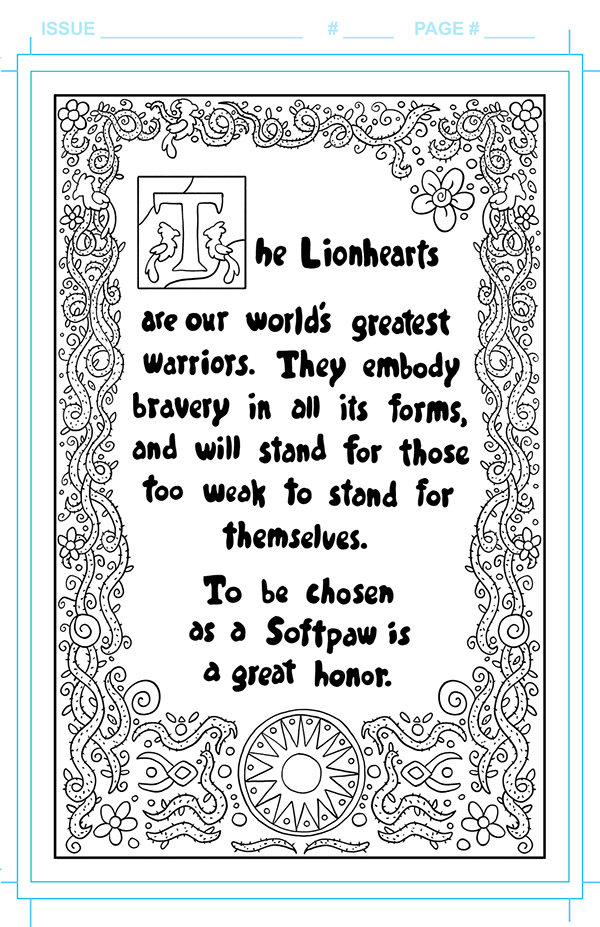
Inks
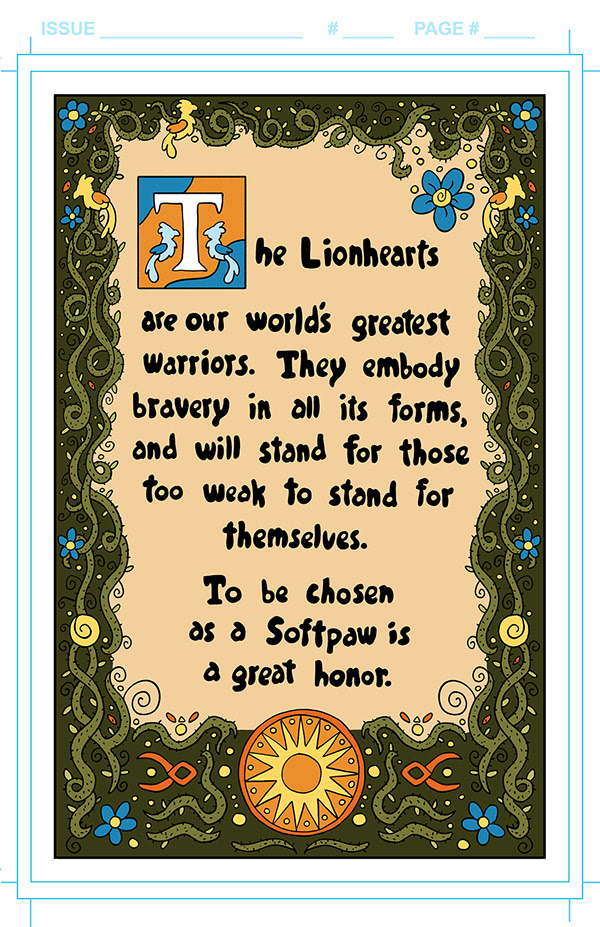
Flats
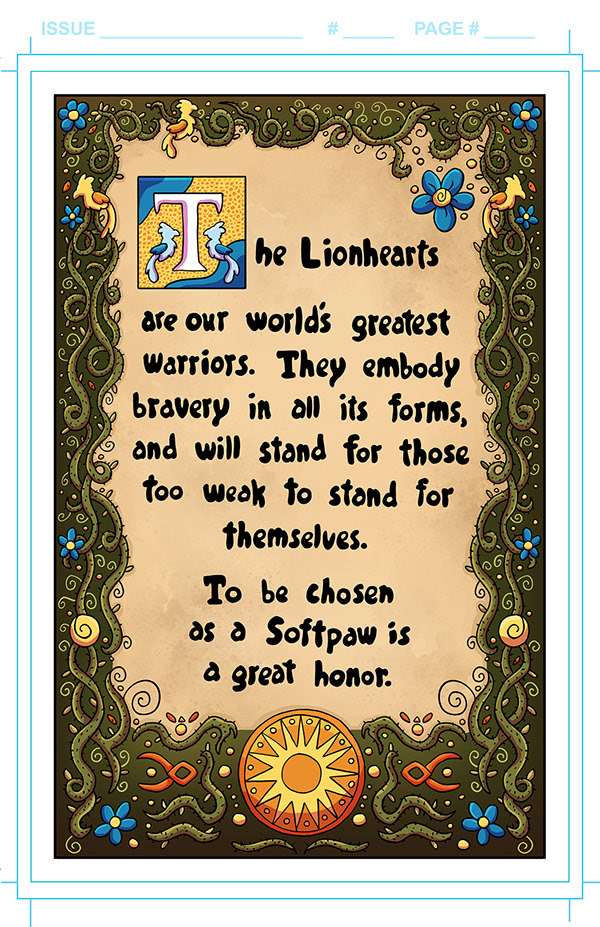
Details
While working on multiple comic projects, I have timed just how long each step of my process takes:
- Rough Thumbnails (approx 35-40 pages): 30 minutes, rough outlines for borders, shots and speech bubbles
- Thumbnails (for a single page): 25-40 minutes depending on complexity, refining the rough thumbnails so it’s easier for me to transition to pencils
- Lettering (for a single page): 20-40 minutes. Once I have an idea of the page layout I incorporate letters early on so I can establish a good flow between panels/pages. I make sure to draw everything behind the speech bubble too, just in case there are any last minute changes.
- Pencils (for a single page): 1-3 hours depending on complexity, prepping the page for inks, making sure everything is proportioned correctly. This step and inks are the hardest for me personally.
- Inks (for a single Page): 40min-1 ½ hours depending on complexity. I make sure all of my lines are connected to make flatting the comic pages easier.
- Flats (for a single Page): 30min to 1 hour depending on complexity. My flats start off as a bunch of strange colors so I can make sure I get every white space filled. However once I finish the first page in a scene, I can take the flat colors from the finished page and skip this step entirely.
- Colors (for a single Page): 25-1 hour depending on complexity. The hardest part for colors is making sure I got the right hues for the scene. Once I get that part done, color is a breeze.
- Extra Details (for a single page): 30min-1 ½ hours Extra details can include shading, highlight, magical effects, etc. This is the final step unless I take a page and add little animations.
In total a comic page can take me around 5 to 8 ½ hours depending on the complexity.
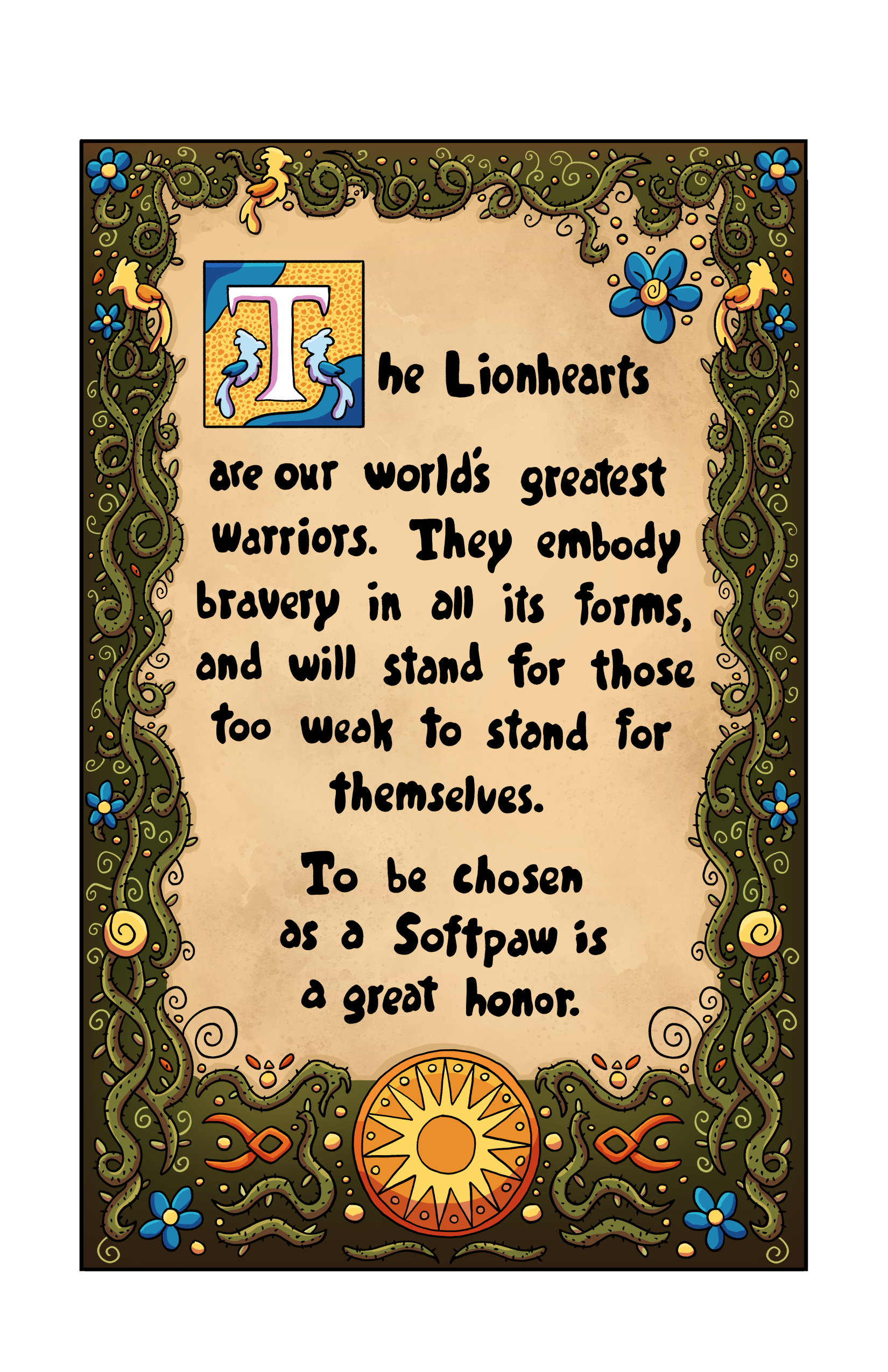
Page 01
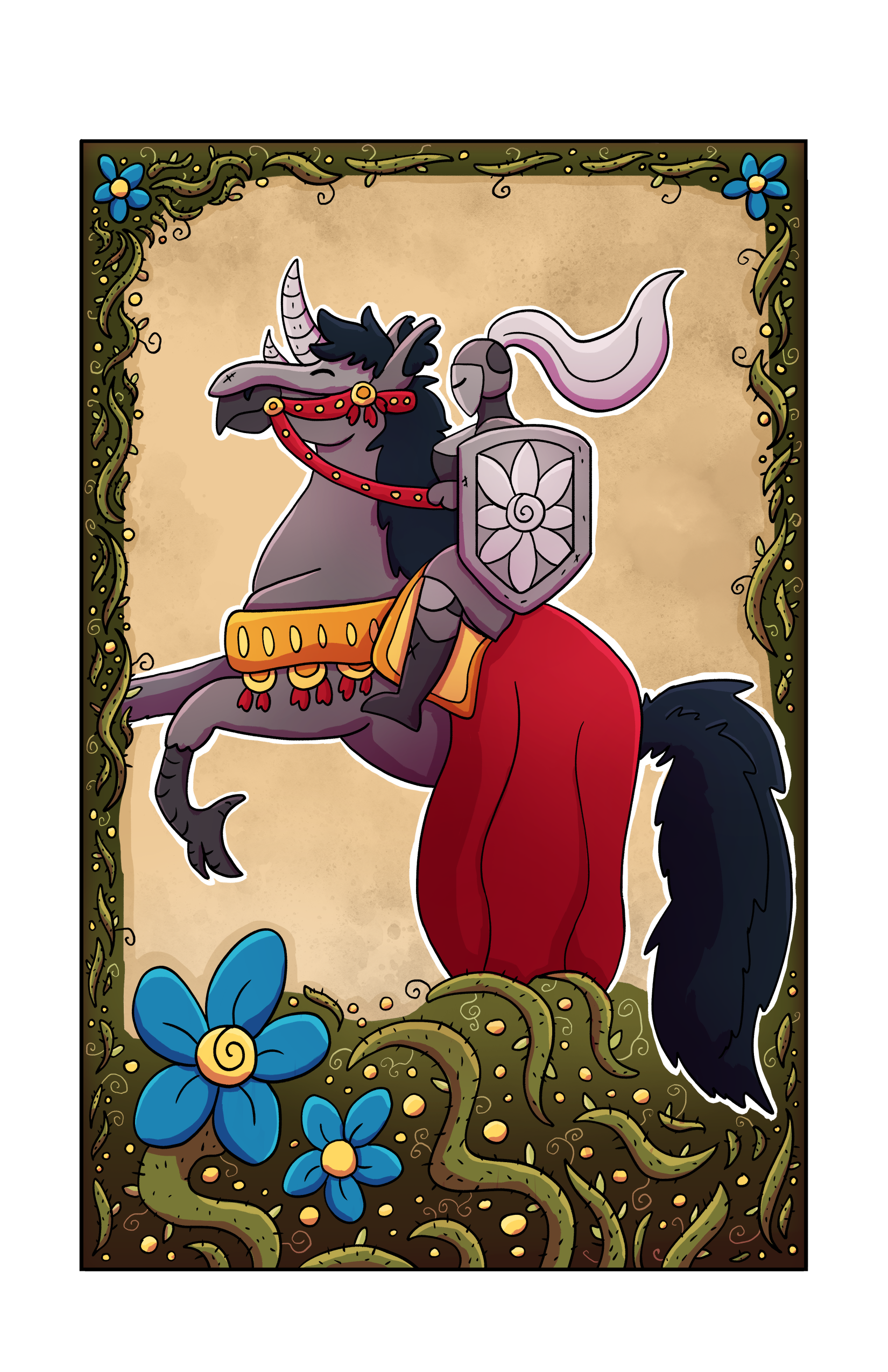
Page 02
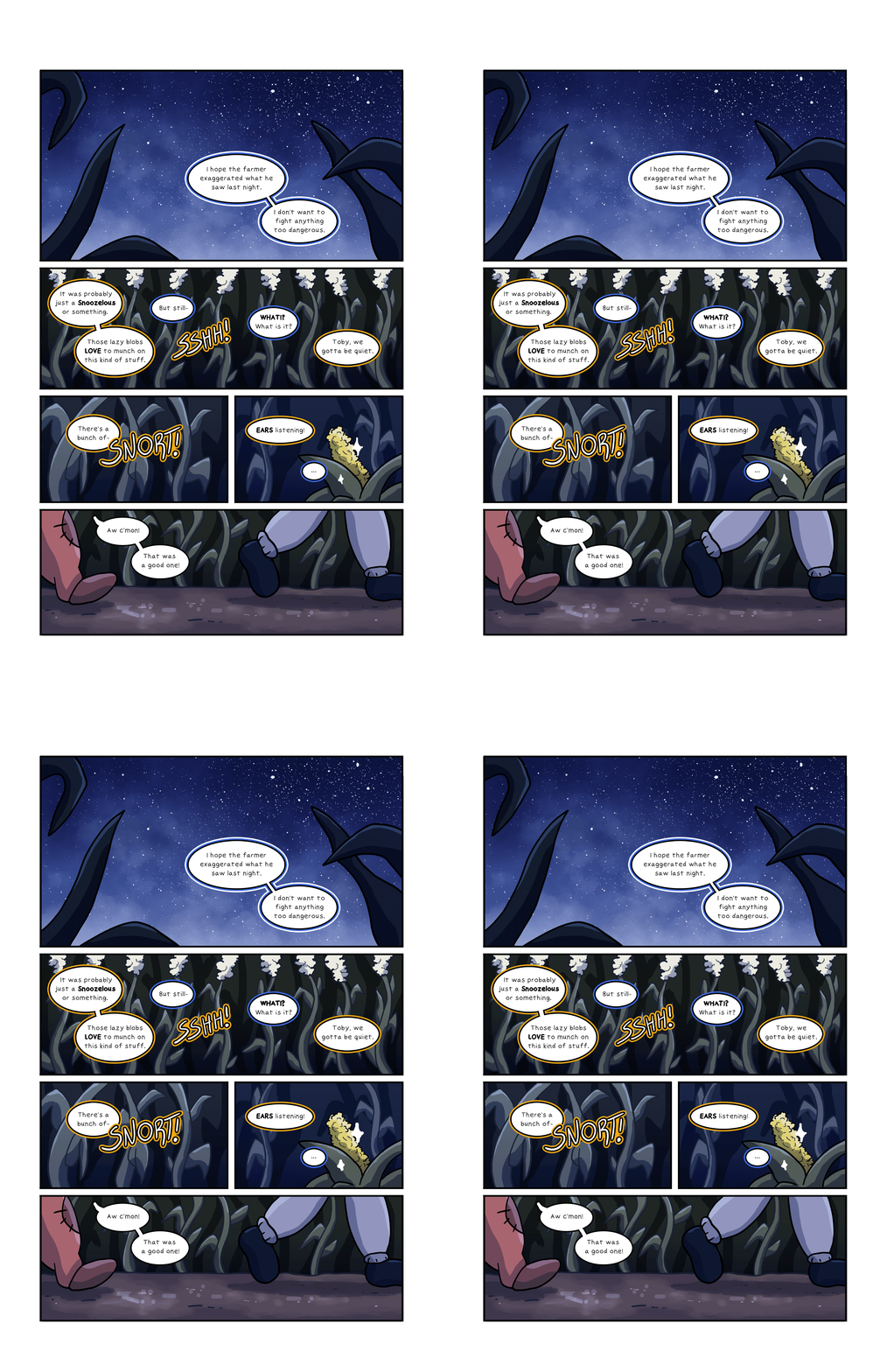
Page 03
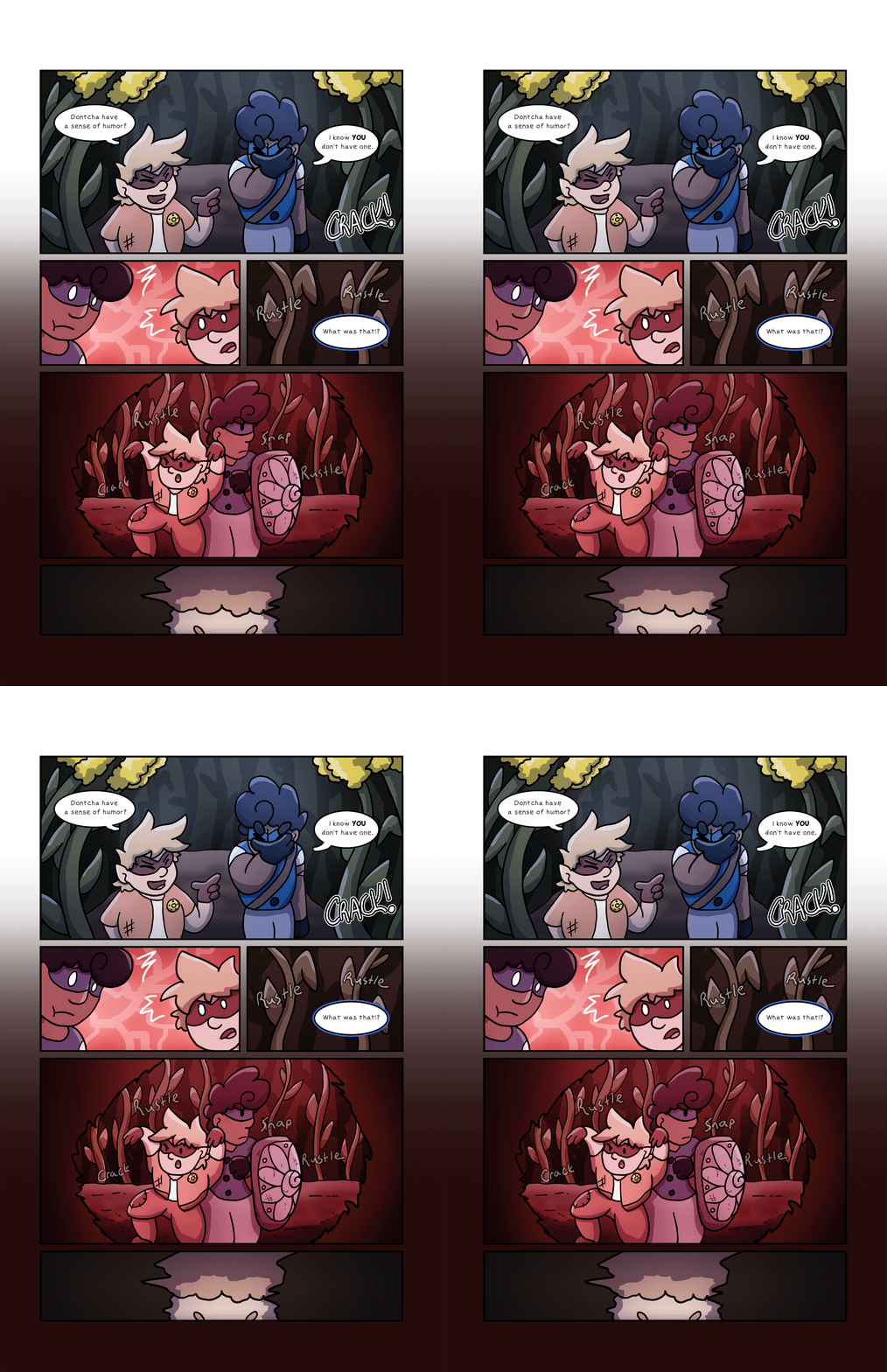
Page 04
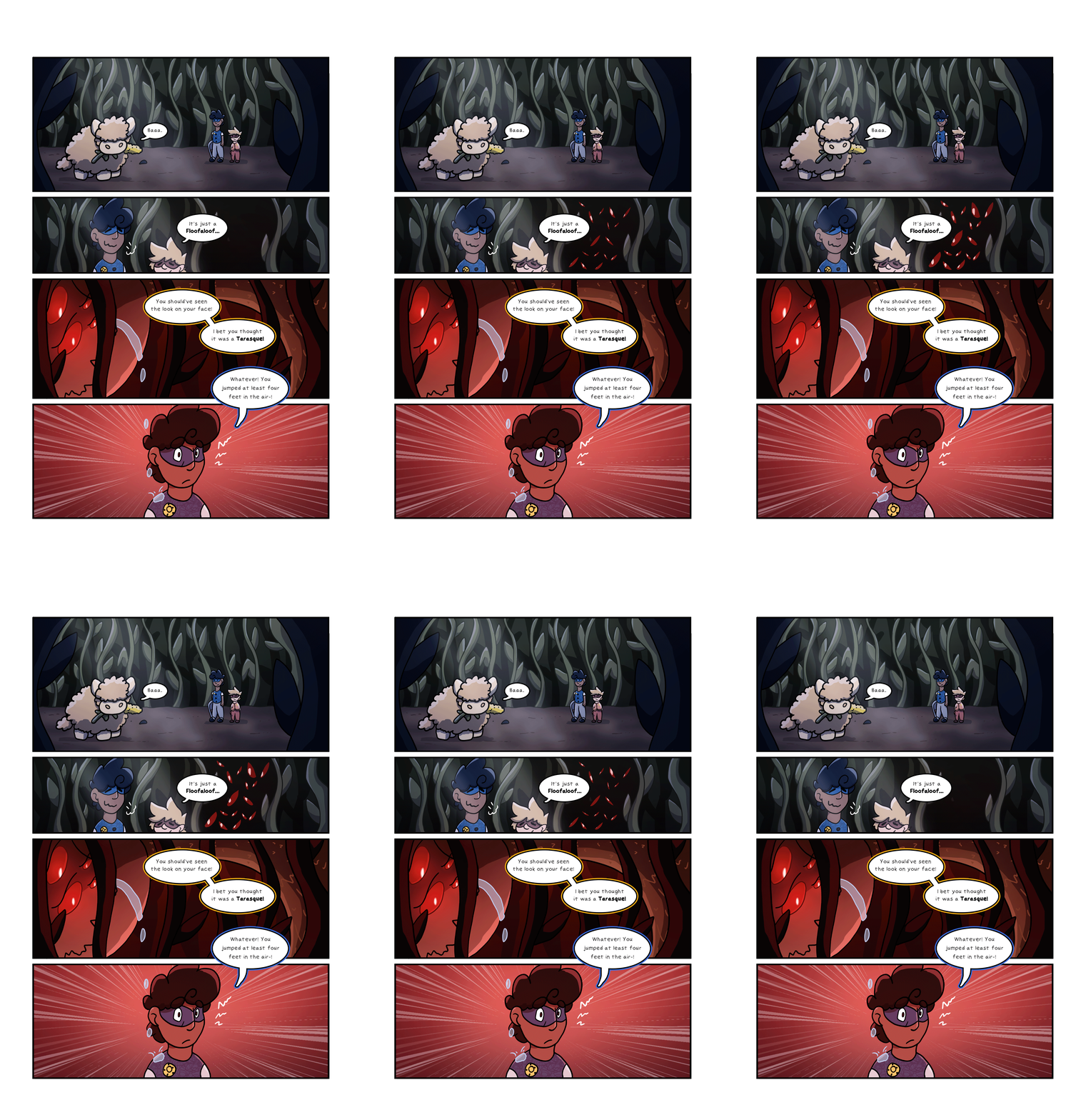
Page 05
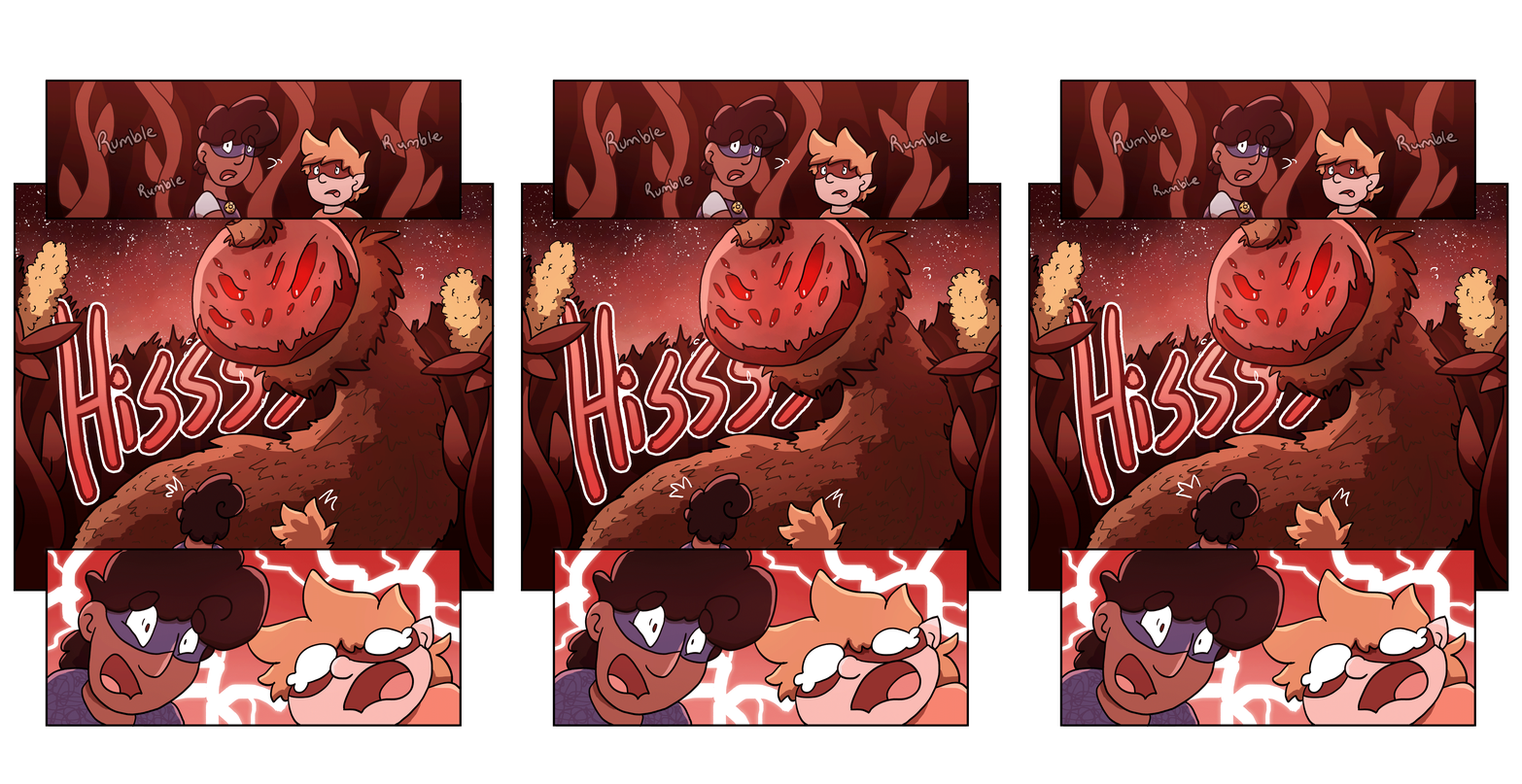
Page 06
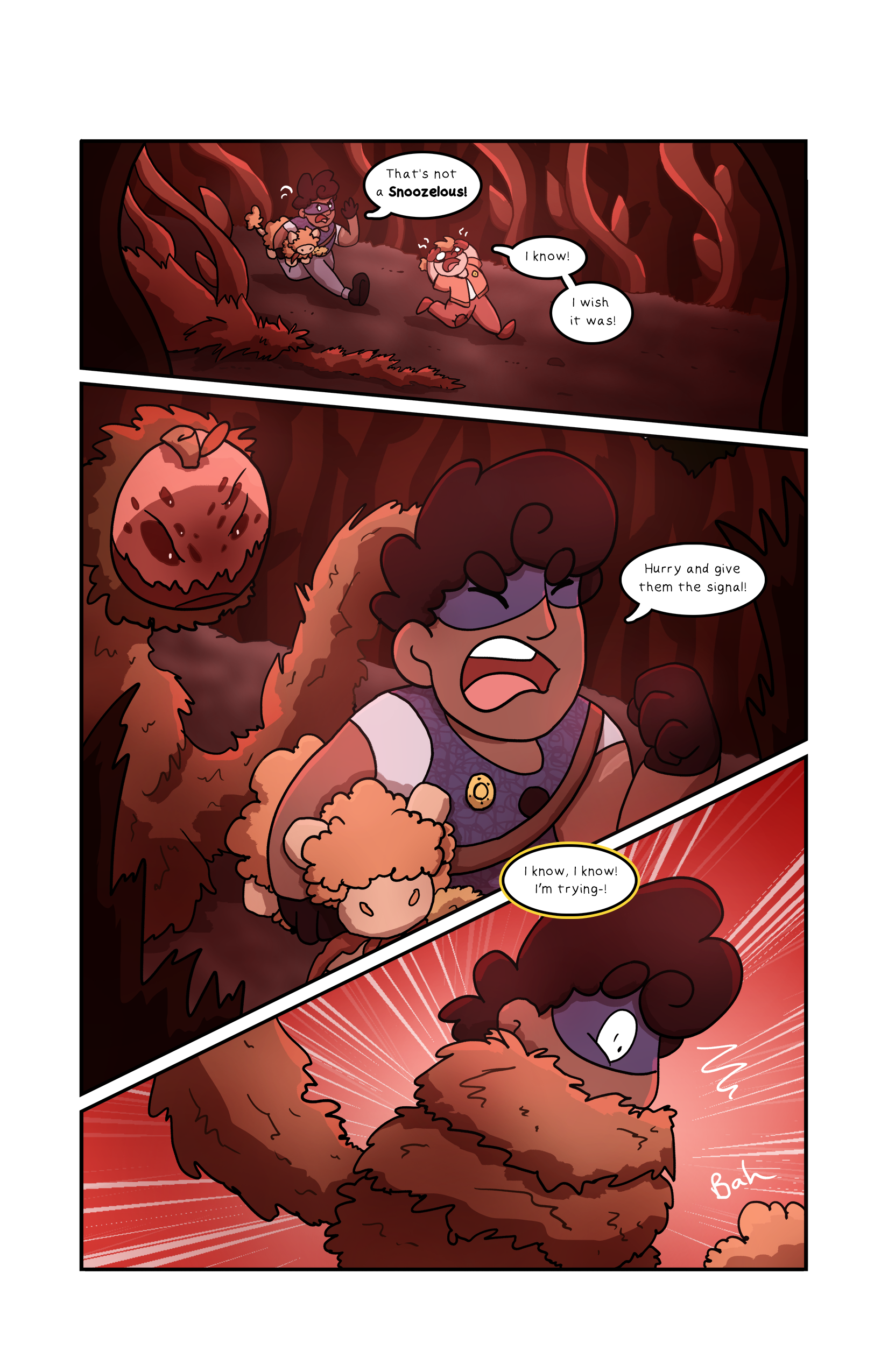
Page 07
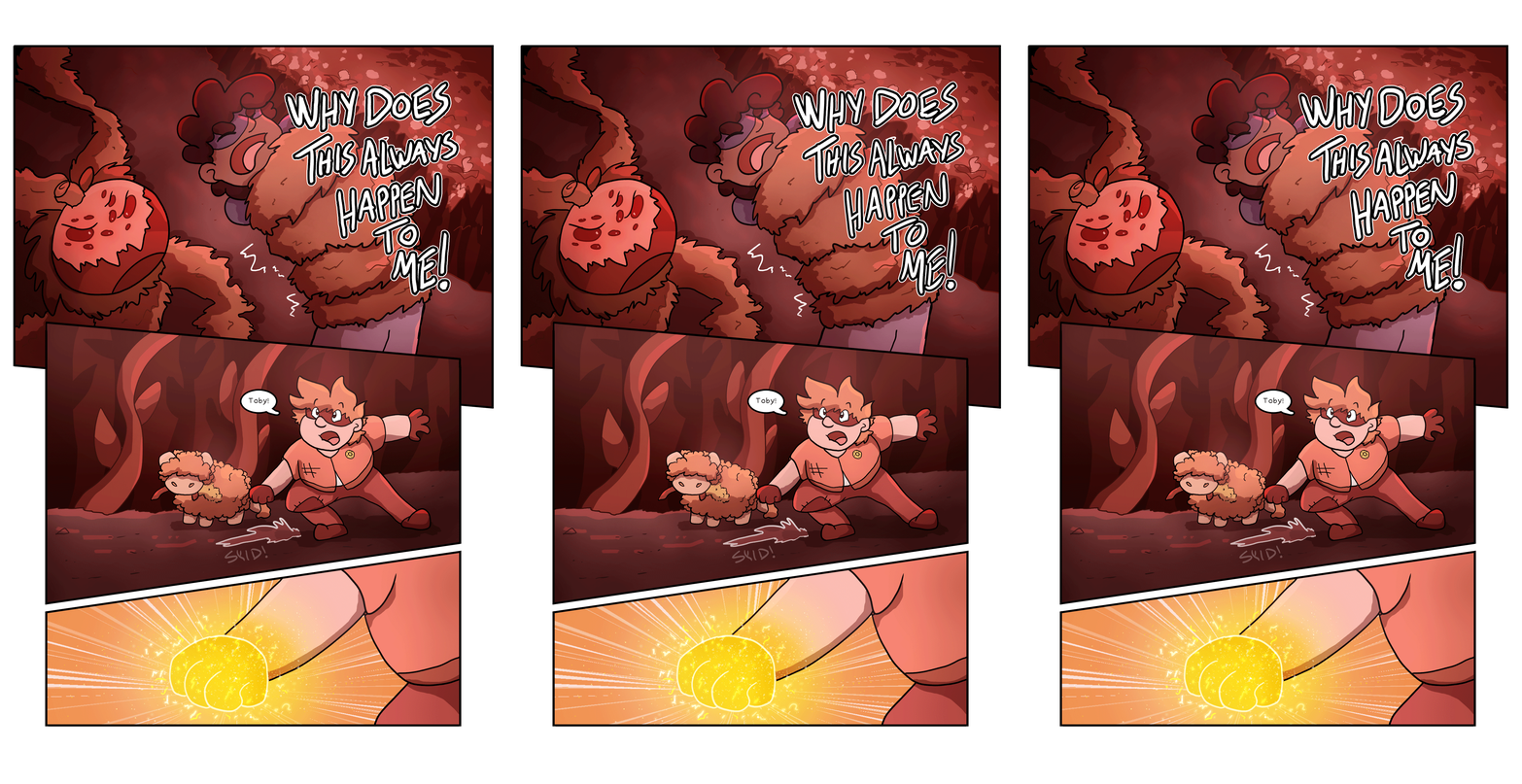
Page 08
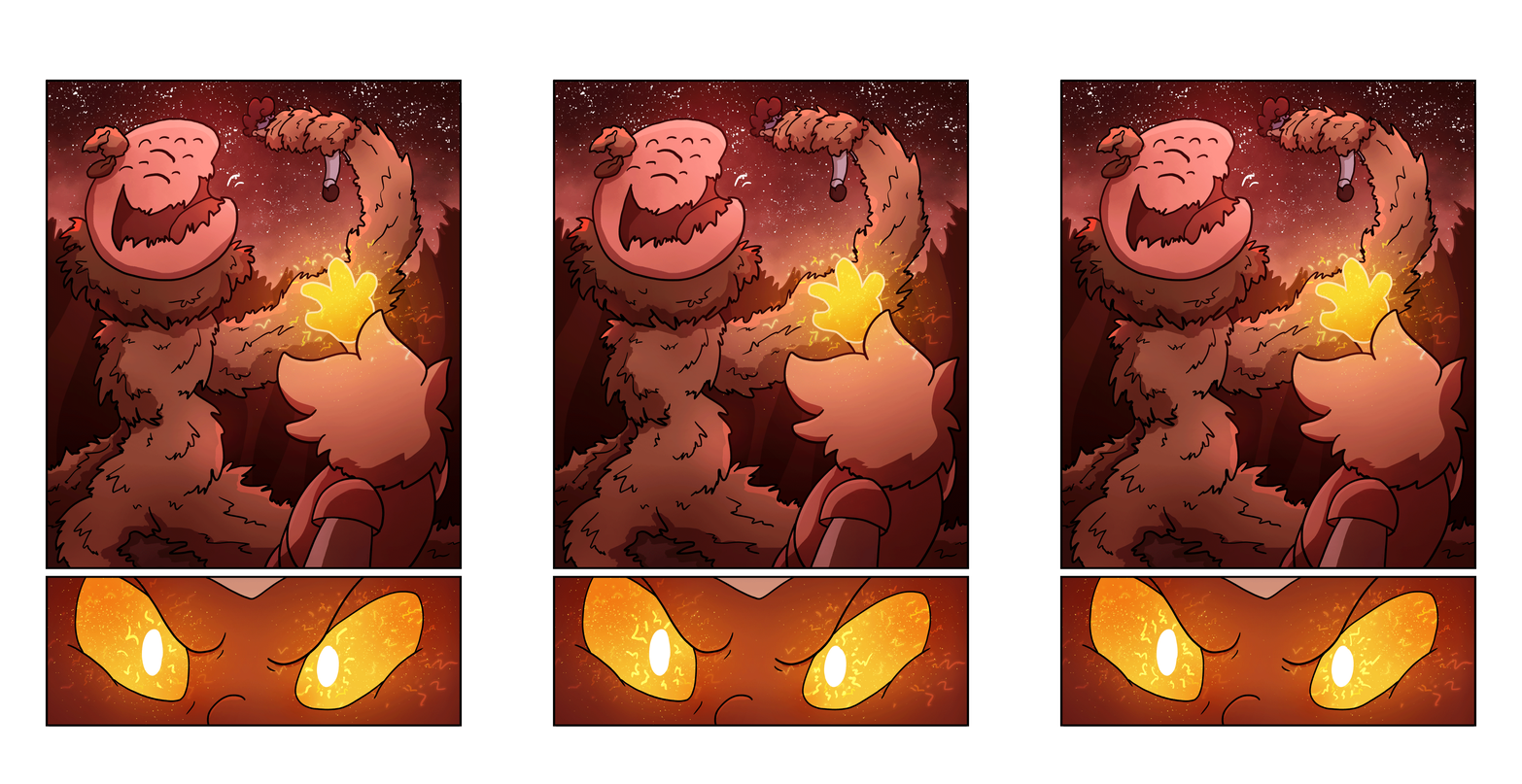
Page 09
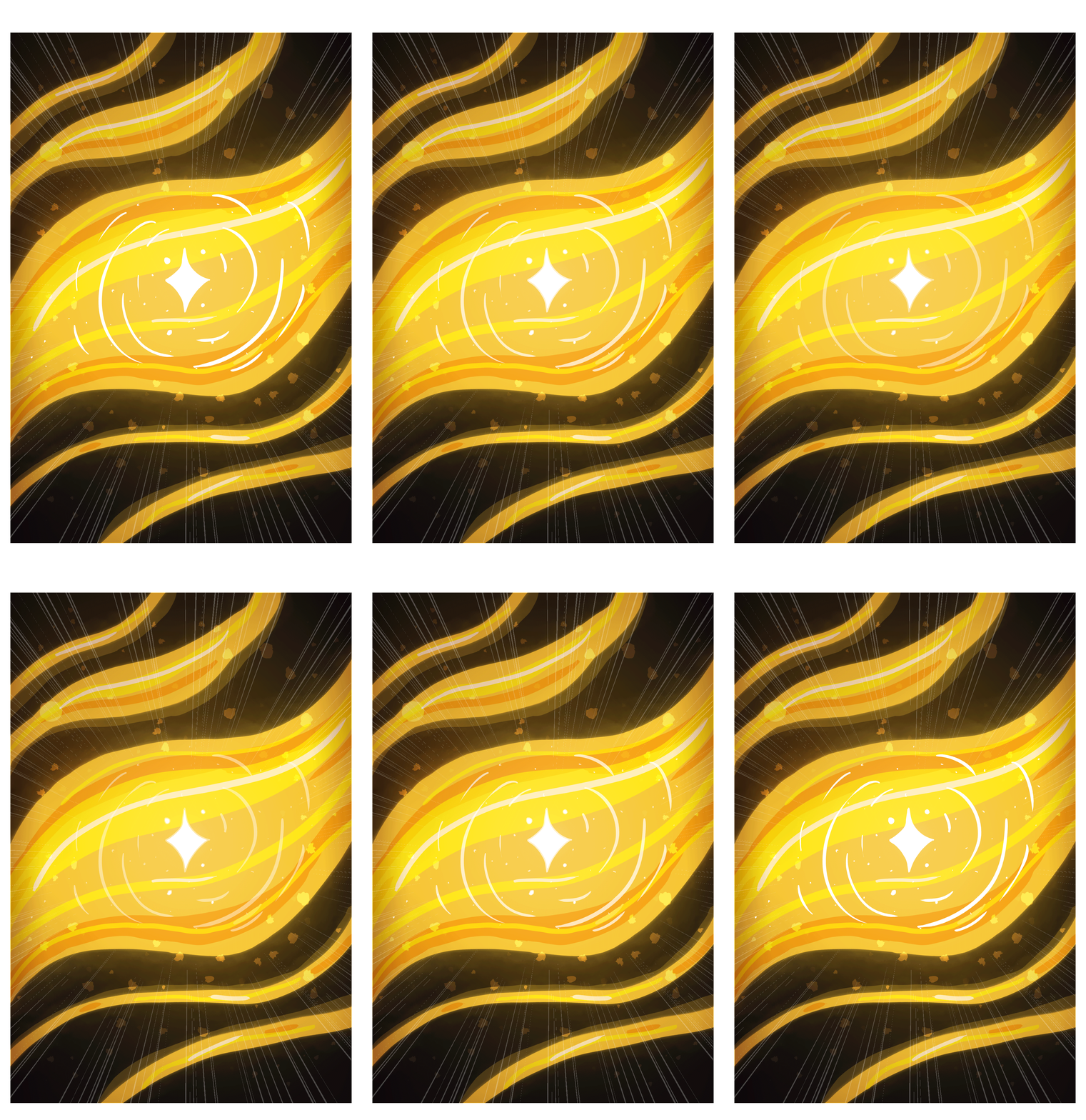
Page 10


Webtoons & Tapas
For publishing my webcomic online I've decided to use both Webtoons and Tapas to host The Lionhearted. Both sites have pros and cons, but they both allow creators to post their work directly to readers and have built in fanbases. Webtoons is the more popular site, but there are features that Tapas has that make it stand out in comparison to Webtoons.
Webtoons Pros
- Can directly link up with your Patreon
- Has better publicity for comics that aren't in the partner program
- Allows readers to rate series (can be a good or bad thing)
- By far the most popular platform for webcomics and has a lot of readers
Tapas Pros
- Has a better notification system for when readers leave comments on your pages
- Has better recourses for tracking page/comic statistics
- You can schedule your episode posts without having to upload things manually
- You can post GIFs on Tapas WITHOUT having to be a sponsored creator (Webtoons offers this but you have to be featured in order to do so)
- You can delete troll comments on your episodes, and can block unfriendly users